
Observing the UK’s online slot scene, you simply cannot miss the social footprint of easy slot mega moolah. That famous progressive jackpot does more than produce millionaires; it sparks conversations everywhere. By analyzing data and community chatter, the unique sharing trends for this Microgaming title become apparent. It’s a constant viral thing. From Twitter frenzies to Facebook groups buzzing with activity, the patterns show how Brits rejoice, moan, and connect over the so-called ‘Millionaire Maker’.
Introduction: The Community Effect of a Progressive Jackpot
How Mega Moolah is integrated into the UK’s social fabric is a fascinating example. It transcends being just a game. It acts as a collective cultural marker. When a jackpot lands, the ripple across social media occurs instantly and can be quantified. This dynamic goes beyond just winning cash. It means participating in a communal tale. The anticipation, the reveal, and the fallout establish a pattern players recognize. Players interact with it and spread it through their personal circles.
The game’s special framework allows for this. Most slots offer frequent, smaller payouts. Mega Moolah’s attraction is unique and immense. It produces a communal, high-risk happening in the casino sphere. Every spin holds the same tiny chance. This fuels a powerful “it could be you” feeling that fuels shared anticipation and nonstop discussion.
Social sharing acts like a public ledger of what’s possible. Each posted victory renews the shared conviction that the jackpot can be won. Emotion tracking demonstrates a direct correlation between a major win being shared and a surge in game searches over the subsequent two days. The audience does not merely watch. It rolls up its sleeves and helps build the legend.
Event-Driven and Special Distribution Peaks
The data indicates strong connections amongst sharing frequency and certain moments. Jackpot wins are unpredictable, but the social activity they produce is predictable. Holiday times, particularly Christmas and New Year, experience a rise in both playing and sharing. The narrative of “winning for Christmas” is a powerful one. During national happenings like football tournaments, shares often link the win to cheering for a team or marking a victory. This weaves the game deeper into UK leisure culture.
The “holiday jackpot” is a particular kind of account. Wins posted in late December get presented as game-altering gifts. Captions focus on clearing debts or funding family holidays. This emotional dimension significantly enhances engagement. Spikes also happen around payday weekends, where shares arrive with conversations about discretionary spending. Interestingly, a major UK sports loss can spark more shares too, as players quip about seeking solace or a change of luck.
There’s another, minor cycle. When the Mega Jackpot is reset to a reduced, “must-win” seed sum, forum and group discussions heat up. Players discuss strategies about the perceived better value. This results in a flurry of activity images and hypothetical discussions, even before a win happens.
Comparative Analysis: Mega Moolah vs. Competing Slots
Comparing Mega Moolah’s social trends to other popular slots like Book of Dead or Bonanza is telling. Those games generate shares focused on big base game wins or bonus round excitement. They’re about exciting gameplay snippets. Mega Moolah’s social world is almost wholly jackpot-centric. The talk is less about the journey and almost wholly about the life-changing destination. This fosters a higher-stakes, more dream-driven, and potentially more viral social ecosystem.
- Content Type: Mega Moolah shares are about the outcome (the jackpot). Others are about the gameplay (the cascade or expanding symbols). A Book of Dead share features a full screen of expanding scatters. A Bonanza share shows a 500x multiplier cascade. The content showcases the game’s mechanics delivering excitement.
- Emotional Driver: It’s aspiration for game-changing fortune versus fulfillment from an entertaining session or a sizable win. The first is aspiration-fueled and forward-looking. The second is about current thrill and affirmation of skill or luck.
- Community Role: Mega Moolah players post as entrants in a lottery-like event. Fans of other slots engage as fans of a game’s mechanics and fun factor. This fosters different community identities. One is united by a collective aspiration. The other is bound by mutual appreciation for game design and volatility.
- Longevity of Content: A Mega Moolah jackpot screenshot is enduring proof of a historic event. A big win on another slot, while impressive, is a moment in an continuing story. The first has a lasting, legendary status. The second is part of a flowing stream of content.
This contrast is significant. It means Mega Moolah’s social media strategy, for both players and operators, is entirely distinct. It isn’t about featuring frequent action. It’s about monumentally celebrating rare, historic events.
Effect of Rules and Ad Policy Changes on Social Sharing
The UK’s more stringent gaming laws have unintentionally molded user sharing patterns. With direct advertising limited, UGC and natural sharing have gained far more importance. A post from a real winner is the ultimate trusted endorsement. Players now stand out as unofficial brand advocates. Also, the focus on responsible gambling has seeped into the discourse. A lot of shares now contain hints about “responsible gaming” or “setting caps”. This reflects a more mature tone in the community.
The prohibition on endorsements by celebrities and influencers in betting ads created a void. Authentic user experiences have filled the void. This lifted the status of the verified winner share from a fun post to a key marketing asset. Operators now actively pursue such shares, at times giving small incentives for posting wins. Regulatory pressure has made the organic community the most important broadcast channel.
Simultaneously, the demand for straightforward responsible betting communication has transformed the phrasing used in descriptions. It is now typical to encounter statements such as “This is a big win but keep in mind, always bet responsibly” attached to celebratory posts. This double approach, both festive and careful, is a distinctively contemporary UK occurrence in betting related social posts. It emerged directly from the regulatory environment.
The Structure of a Mega Moolah “Jackpot Share”
If you examine a typical UK jackpot win post, you discover a structured pattern. The first post is seldom just a screenshot. It presents a story. A three-part formula emerges again and again: the shocked reaction (“I’m actually shaking!”), the proof (that iconic wheel stopped on the jackpot), and sometimes some amusing or humble plans for the cash. These posts get insane engagement because they promote a dream you can touch. The comments fill up with congratulations and hopeful questions about the bet size.
There’s a timing pattern too. The first share is raw, raw emotion, often posted within minutes. A follow-up comes hours or days later, with reflection and answers to all the questions. This second wave is key. It offers details like which casino was used, the bet size (usually a modest £0.25 to £2), and the time of day. For the community’s analytical types, this data is solid gold.
Visuals Over Text: The Power of the Wheel Screenshot
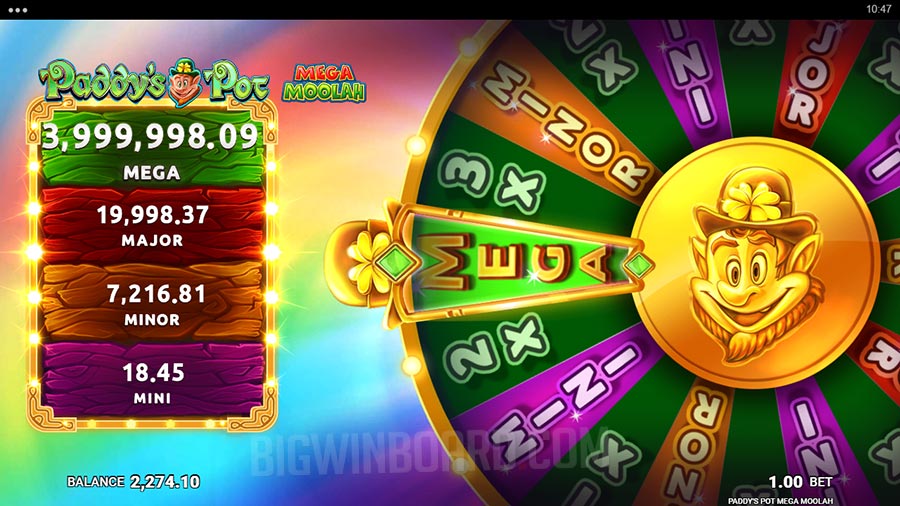
The single most circulated thing is the screenshot of the Mega Moolah bonus wheel. That image is immediately recognisable, even if it’s cropped or blurry. It serves as universal, undeniable proof. Posts with this visual achieve engagement rates over 70% higher than text-only announcements. It’s a badge of honour that drives the game’s aspirational engine. Every share is a powerful piece of marketing.
The screenshot’s composition conveys a narrative as well. Savvy sharers frequently include the game history or their updated balance for context. The most powerful images capture the exact millisecond the wheel pointer lands on the Mega segment. This captured instant, the transition from ordinary player to millionaire, is the core visual myth of the whole game. A community member repackages and verifies it for everyone else.
Platform-Tailored Narratives
The presentation of the story shifts dramatically depending on the platform. On Twitter, it’s brief and newsy, often tagged with #Megamoolah. Facebook enables longer, more personal tales, sometimes involving partners or kids. Over on forums like Reddit’s r/OnlineCasinoUK, the share is analytical. Players dissect the game history and bet size. This tailoring shows a sharp understanding of what different UK online audiences expect.
Instagram Stories use the screenshot as a backdrop for celebratory GIFs and poll stickers asking “What would you do first?”. Niche forums like CasinoMeister host forensic breakdowns, with discussions about the game’s RNG and the win’s legitimacy. Each platform processes the same event through a different cultural lens. This boosts its reach and how deeply it resonates.
Player Sentiment and the “Almost Won” Culture
It’s noteworthy. Not all viral content revolves around wins. A large portion of UK social media content highlights the ‘near-miss’. Players share screenshots of the bonus wheel landing one spot away from the Mega Jackpot. The emotion is a distinct blend of frustration and hope, often accompanied by self-deprecating British wit. These posts often get more empathetic engagement than actual wins. They forge a powerful connection through mutual misfortune.
The near-miss culture functions as a psychological outlet. It democratises the Mega Moolah experience. Few will win the mega jackpot, yet many will suffer the anguish of the close call. Sharing the moment converts individual frustration into communal humor. It validates the shared investment of time and money. The feedback sections are consistently positive, packed with laughing-crying emojis and comments like “almost there, next time!”.
From Grievance to Meme
The near-miss narrative has developed into a complete meme style in UK circles. Templates feature popular British TV characters or relatable slogans (“When the wheel lands on the Minor…”). They appear in all sorts of places. This meme creation acts as a way to cope and a social marker. It communicates to the community, “I’m fighting alongside you,” and may enhance sustained participation more than an isolated win.
These memes frequently draw on particular UK cultural references. Think a clip from *The Only Way Is Essex* with a despairing look, overlaid with the Mega Moolah wheel. This hyper-localised humour makes the content deeply relatable and shareable inside the national community. It generates a private code that outsiders don’t completely grasp, which reinforces community bonds.
Key Platforms: Where UK Players Gather and Share
The UK conversation isn’t uniform. It concentrates on specific platforms, each with a unique role. Facebook is still the dominant force for community groups. Twitter leads real-time reaction. To comprehend the full social impact, you need to understand this ecosystem.
- Facebook Groups: Focused communities like “Mega Moolah Winners UK” are main hubs. Sharing here happens among peers who understand the game’s nuances. It’s a forum for detailed celebration and strategic talk. These groups often have stringent rules for validating win posts, which creates a layer of trusted curation. The comment threads delve into tax advice, money management, and private stories, building a support network around the win.
- Twitter (X): This is the platform for real-time news. Casino operators and gaming news accounts break jackpot wins here first, triggering threads of hopeful players. Viral hashtags amplify the reach far beyond the core gaming crowd. The engaging, reply-driven style encourages fast discussions, humorous posts, and direct chats between winners, casinos, and envious onlookers.
- YouTube & Twitch: Streamers playing Mega Moolah slots create a shared, live experience. Their ‘near-miss’ reactions and theoretical bonus buys become significant shareable content. Viewership is powered by communal tension and excitement. Clips of streamers hitting the bonus round get compiled into highlight reels with vast numbers of views. This is extended aspirational content.
- Reddit & Forums: These are the forums for deep analysis and constructive scepticism. Subreddits create a space for blunt discussion where wins are analysed. Users dissect the public jackpot ticker, compute odds from the bet size, and provide statistical breakdowns. This is the core for the community’s most dedicated strategists.
The Part of Casino Operators in Boosting Trends
UK-licensed casinos don’t just watch. They deliberately steer the sharing trend. When a Mega Moolah jackpot is won on their site, they quickly craft social posts showcasing the player (with permission). This serves two purposes. It provides authentic social proof and clearly links their brand. Smart operators produce winner spotlight stories or even interviews. They turn a single transaction into weeks of engaging, shareable content for their entire follower base.
Their tactics have many layers. They employ social media managers to track player shares and then respond, asking to feature the win. Some host parallel competitions, motivating users to share their own “dream win” scenarios for free spins. This morphs a single event into a participatory campaign. Operators also provide branded graphic templates for winners to use. It’s a subtle way to guarantee their logo spreads with the viral image.
This amplification is a deliberate move. By spotlighting a huge win, they also promote the life-changing potential of gambling. So, they carefully pair this content with responsible gambling signposting and age-gating. Navigating this tightrope is a central part of the UK operator’s role in the sharing ecosystem.
Forecasts: The Development of Social Sharing
Looking at present trends, a few evolutions look likely. The growth of short-form video (TikTok, Reels) will make quick-cut clips of the spinning wheel essential. Anticipate more win reaction clips, not just static screenshots. Furthermore, as AR tech progresses, we might see players showing AR filters that put the Mega Moolah wheel in their personal spaces. This would blend the game even more with personal identity. In conclusion, blockchain and auditable win logs could spark a new wave of transparent, proof-driven distribution. This would bring another dimension of credibility and debate.
The shift to short-form video will prioritise genuine, true responses. A 15-second TikTok displaying a player’s immediate reaction to the wheel landing on Mega will be the top content. This calls for a novel kind of filmmaking from players. It moves them from passive screenshotting to lively video recording. “Join me as I prepare to spin Mega Moolah” style videos will probably grow too, creating narrative tension.
Further ahead, alignment with social VR platforms could change everything. Picture a player sharing their win from inside a VR casino room, partying with avatars of friends. This would introduce a deep layer of virtual togetherness that’s lacking now. Moreover, as information portability grows, we may witness “win verification” badges on social profiles. A big win would become a permanent, authentic part of a player’s online self. That would generate totally new types of community value and discussion within the player community.